The Hidden Phase of Change No One Teaches You How to Be In
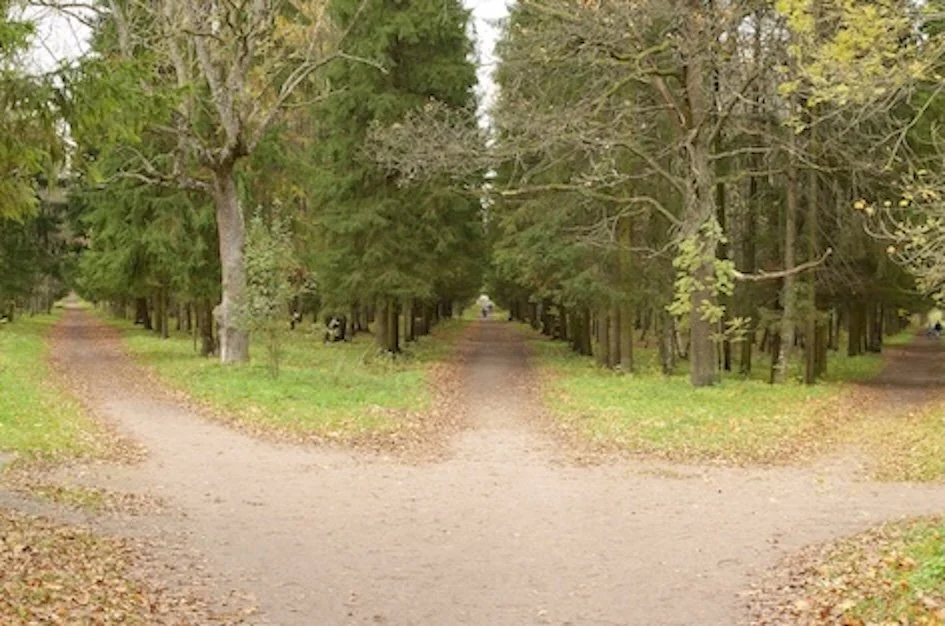
Most change models focus on two points: the ending and the new beginning.
What they rarely teach is how to exist in the middle.
The middle phase — the in-between — is where certainty dissolves, motivation fluctuates, and identity feels temporarily unavailable. It’s also the phase people are most likely to pathologise or rush through.
Yet being in this phase is not a mistake. It’s part of the process.
Why the In-Between Feels So Uncomfortable
In transitional periods, the nervous system is asked to operate without clear feedback loops. The old ways of being no longer apply, and the new ones aren’t available yet or at least haven’t stabilised.
This often shows up as:
a loss of drive or urgency
doubt about previously solid decisions
discomfort being seen without a defined role
pressure to “figure it out”
The temptation is to override the discomfort with action.
But premature action during transition often creates more instability, not less.
Human Design and Transitional Timing
One of the least discussed aspects of Human Design is its relationship to timing.
We each move through change differently. Some people require pause before clarity emerges. Others require external cues or relational resonance. When people try to force movement that their system isn’t ready for, they often experience frustration, burnout, or regret.
Understanding this doesn’t make transition comfortable, but it makes it inhabitable.
It allows you to recognise when waiting is not avoidance, but intelligence.
You’re Not Falling Apart, You’re Reorganising
This phase often feels unproductive because it doesn’t produce visible outcomes. But internally, significant reorganisation is occurring.
Values are being recalibrated.
Motivation is being stripped back to what is real.
Identity is being loosened from roles that no longer fit.
This is not a phase where we need to optimise. It is a phase we must respect.
The Role of a Guide in Transition
Most people don’t need advice during this phase. They need containment. They need someone who understands the terrain and doesn’t rush them toward false clarity.
That is the work I do with clients in transition: helping them recognise what is actually happening, so they can stop fighting it.
Change doesn’t require urgency.
It requires honesty, timing, and trust.
Change has a middle and most people are never taught how to inhabit it.
Human Design can be useful here, not as a typing system, but as a way to understand how your system processes endings, pauses, and beginnings.
When you understand your design in the context of transition, you stop forcing yourself forward before something has actually settled.